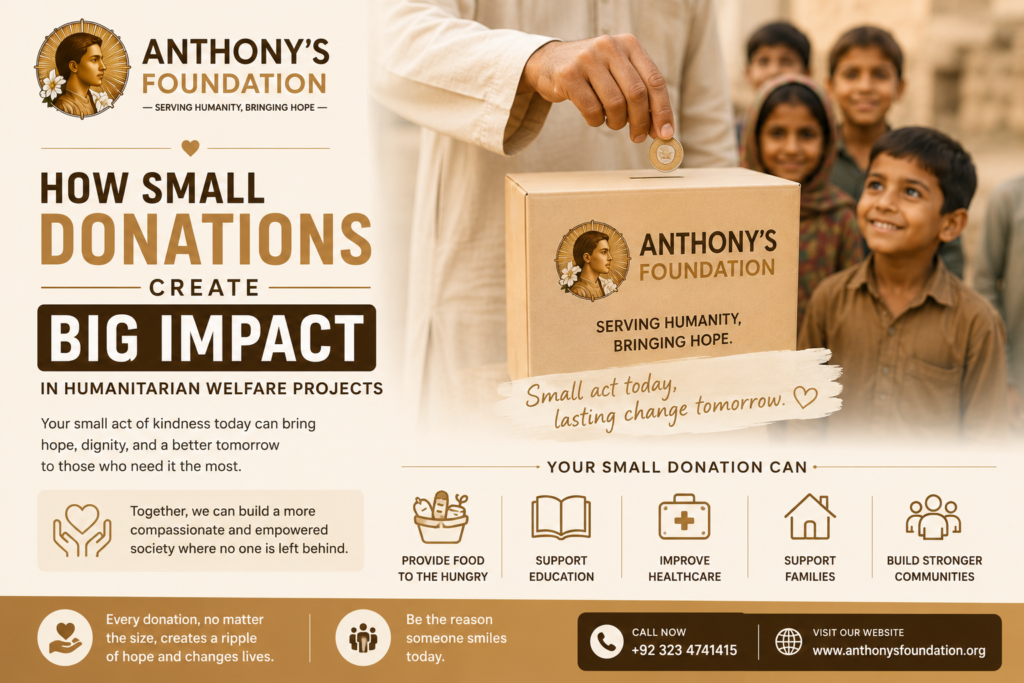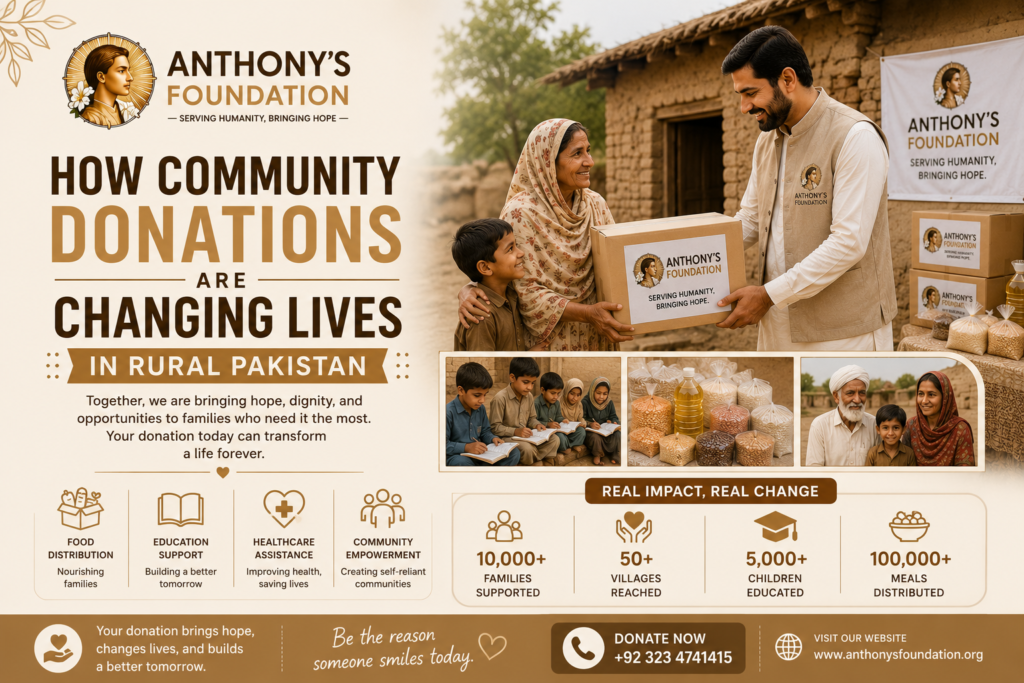
Small donations may seem insignificant on their own, but when combined with the generosity of many people, they become a powerful force for positive change in humanitarian welfare projects. Across the world, millions of families struggle with poverty, hunger, lack of healthcare, limited education, and the effects of natural disasters. Large organizations and wealthy donors certainly play an important role in supporting humanitarian efforts, but small contributions from ordinary people are often the foundation that keeps these projects alive and growing. A few dollars, a meal donation, or a small monthly contribution can create opportunities, provide hope, and transform lives in ways many people never imagine.
One of the biggest strengths of small donations is that they allow everyone to participate in helping others, regardless of their financial situation. Many people believe that only wealthy individuals can make a difference, but humanitarian work proves otherwise. When thousands of people contribute even a small amount, the total becomes enough to support large-scale welfare activities such as food distribution, medical aid, clean water projects, educational programs, and emergency relief campaigns. This collective support creates a sense of unity and responsibility within communities and encourages more people to take part in charitable initiatives.
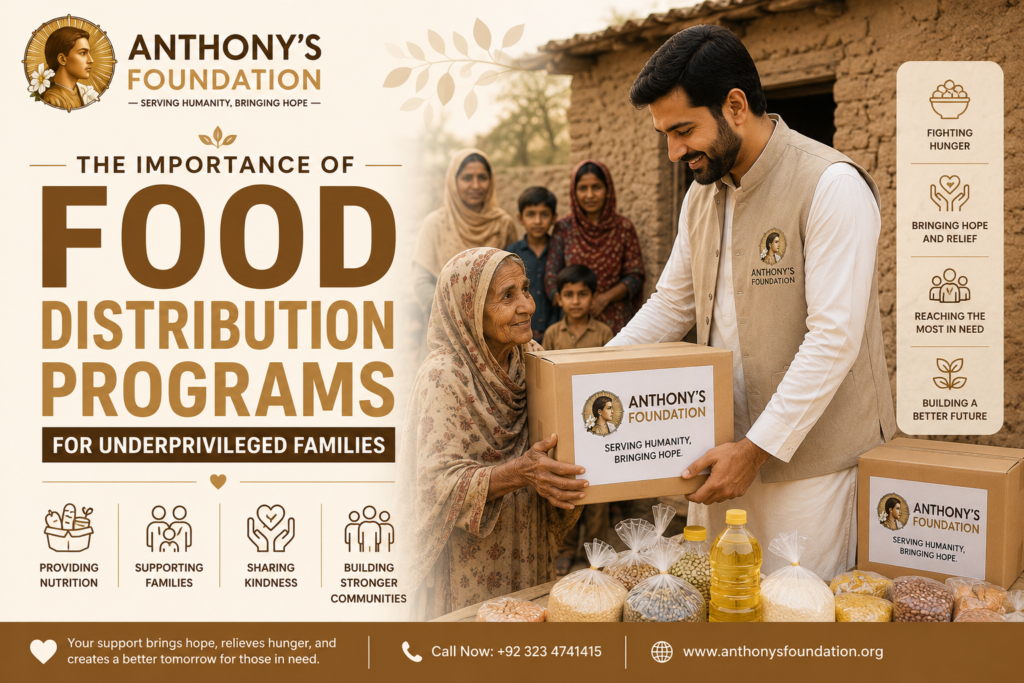
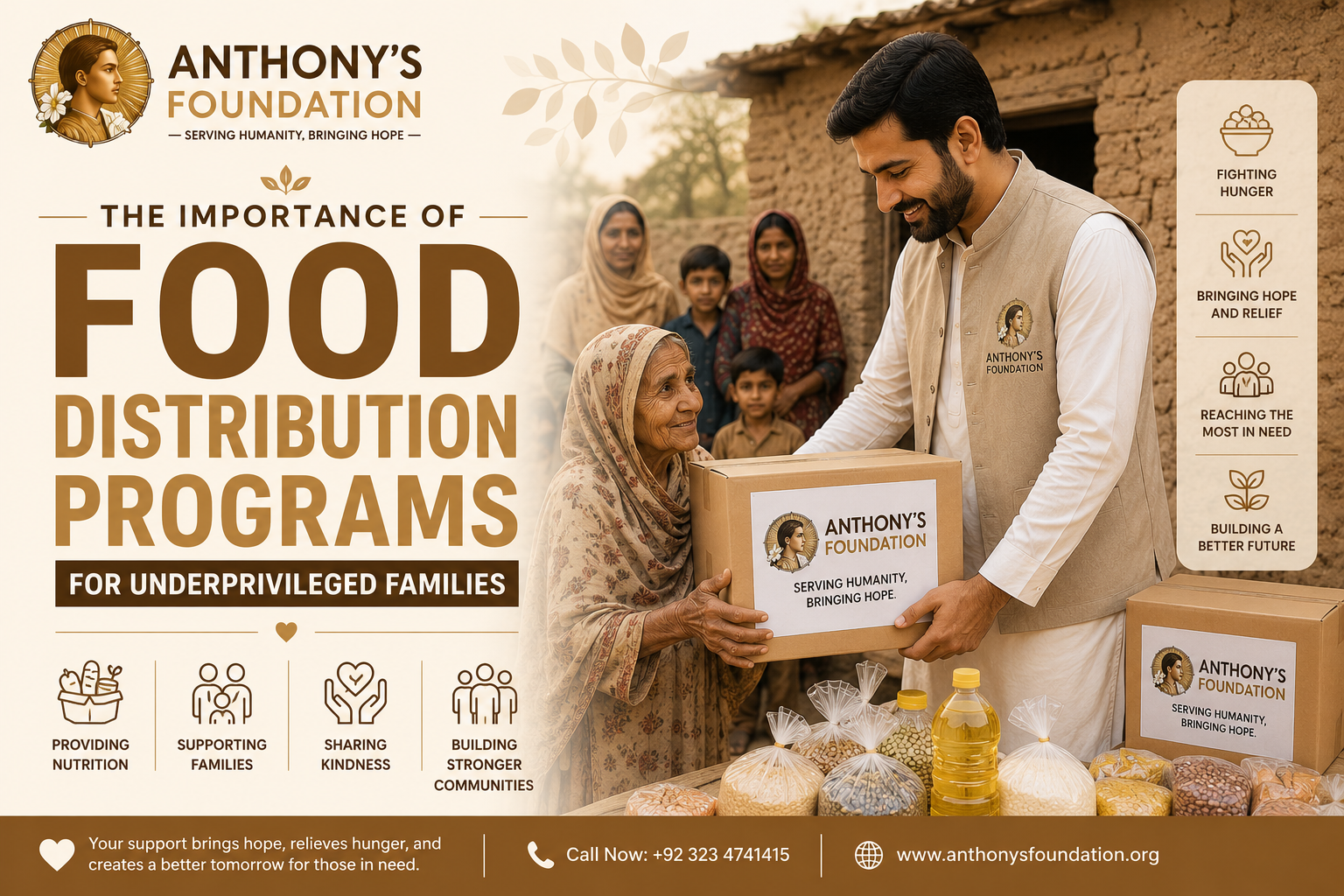
Food distribution programs are one of the clearest examples of how small donations create meaningful impact. In many underprivileged communities, families struggle to afford basic meals. A small donation can help provide flour, rice, cooking oil, vegetables, and other essentials for a family in need. When hundreds of donors contribute regularly, welfare organizations can arrange large food drives that feed entire neighborhoods. During difficult times such as economic crises, natural disasters, or seasonal unemployment, these donations become a lifeline for vulnerable families. Something as simple as the cost of a cup of coffee can help provide meals for someone facing hunger.
Healthcare support is another area where small contributions create major change. Many low-income families cannot afford medical treatments, medicines, or basic healthcare services. Small donations help humanitarian organizations organize free medical camps, vaccination drives, health awareness campaigns, and emergency treatments for patients in need. In rural areas where healthcare facilities are limited, these projects can save lives. A small amount donated by one person may help purchase medicines, support a child’s treatment, or contribute toward life-saving surgery. When many people donate together, even complex healthcare initiatives become possible.
Education programs also benefit greatly from small donations. Millions of children around the world lack access to proper schooling due to poverty and limited resources. Humanitarian organizations often use donations to provide school supplies, uniforms, books, transportation, and scholarships for deserving students. A small monthly donation can help keep a child in school and give them a chance to build a better future. Education is one of the most powerful tools for breaking the cycle of poverty, and every small contribution toward learning can create long-term positive change for individuals and communities.
Small donations are especially important during emergency relief situations. Natural disasters such as floods, earthquakes, storms, and fires can destroy homes and leave families without food, shelter, or clean water. In these moments, humanitarian organizations rely heavily on public support to respond quickly. Small donations collected through online campaigns, community drives, and charity events often fund emergency supplies, temporary shelters, clean drinking water, and rescue operations. The speed at which people contribute during crises demonstrates how small acts of kindness can come together to provide immediate relief for those suffering.
Another reason small donations matter is that they create sustainable support for humanitarian projects. Large one-time donations are valuable, but regular small contributions from many supporters provide stability for organizations. Monthly donations help welfare groups plan long-term projects, manage operational costs, and continue helping communities consistently. Even modest recurring donations allow charities to maintain food banks, orphan support programs, education centers, and healthcare initiatives throughout the year. This reliable support helps organizations expand their reach and serve more people effectively.
Small donations also inspire a culture of compassion and social responsibility. When people donate, they become emotionally connected to humanitarian causes and more aware of the challenges faced by others. This connection often encourages further involvement through volunteering, fundraising, and spreading awareness. Children who see their families participating in charitable giving grow up understanding the importance of kindness and community support. In this way, small donations do not only create financial impact but also strengthen the values of empathy and humanity within society.
Technology and digital platforms have made it easier than ever for people to contribute small amounts toward humanitarian causes. Online donation systems, crowdfunding campaigns, and social media fundraising allow organizations to reach supporters across the world instantly. A person can donate from their phone within seconds and contribute to projects helping people thousands of miles away. These digital tools have transformed modern charity work by making humanitarian support more accessible and transparent. Many successful campaigns that raised millions for emergency relief or social welfare started with thousands of people giving very small amounts online.
Transparency and trust are also essential in maximizing the impact of small donations. People are more likely to contribute when they can clearly see how their money is being used. Welfare organizations that provide updates, share success stories, and demonstrate accountability build stronger relationships with donors. Seeing photos of food distributions, completed water wells, educational programs, or families receiving assistance reassures supporters that even their smallest contribution is making a real difference. This trust motivates people to continue supporting humanitarian work regularly.
The emotional impact of receiving help through humanitarian projects is often greater than the financial value itself. For struggling families, knowing that someone cares enough to support them provides hope and dignity during difficult times. Small donations can help restore confidence and encourage people to keep moving forward despite hardships. Whether it is providing warm clothing during winter, school supplies for children, or medical support for a patient, these acts of generosity remind people that they are not alone.
Humanitarian welfare projects succeed because of collective effort. Every donation, no matter how small, contributes to a larger mission of helping humanity. One person may not be able to solve global poverty or hunger alone, but together communities can create meaningful and lasting change. The power of small donations lies in their ability to unite people from different backgrounds around a shared purpose. A small act of giving multiplied by thousands becomes a force capable of transforming lives, rebuilding communities, and bringing hope to those who need it most.
In today’s world, where many challenges continue to affect vulnerable populations, supporting humanitarian welfare projects has become more important than ever. People often underestimate the value of their contribution because it seems too small to matter. However, history and experience repeatedly show that great change often begins with small actions. A single donation may provide one meal, one book, one medicine, or one blanket, but combined with the kindness of others, it can support an entire community. Humanitarian progress is built step by step through the generosity of ordinary people willing to help in whatever way they can.
Small donations prove that making a difference is not limited to the wealthy or powerful. Anyone can participate in improving lives and supporting those in need. The true impact of humanitarian welfare projects comes from people choosing compassion over indifference and action over hesitation. Every contribution carries value, and every act of kindness adds strength to the mission of creating a more caring and supportive world for everyone.